Balcony Gardening for Beginners: The Complete Guide

north facing balcony plants

North Facing Balcony Plants What Grows Well in the Shade

A north facing balcony is often seen as the worst spot for a garden. It gets little direct sunshine, stays cool for much of the year, and rules out many of the sun-loving plants that fill garden centre shelves every spring. But shade is not the end of the story. Many beautiful flowers, lush foliage plants, herbs and salad crops actually prefer cooler, shadier conditions. Choose the right north-facing balcony plants and your balcony can be just as green and productive as a sunny one, and often easier to look after. This guide covers the best plants for a north-facing balcony, what to avoid, and practical tips for making the most of every bit of light you have.

What Does a North-Facing Balcony Really Mean?

In Europe and the rest of the northern hemisphere, the sun travels across the southern part of the sky. A balcony that faces north therefore receives little or no direct sunlight for most of the year.

That does not mean it is dark. Most north-facing balconies receive bright, indirect light from the open sky, which many plants are perfectly happy with. In midsummer, some north-facing balconies also catch a little direct sun early in the morning or late in the evening, when the sun rises and sets further north.

The Hidden Advantages of a Shady Balcony

A north-facing balcony comes with some real benefits:

Less watering

Compost dries out much more slowly than on a hot, south-facing balcony.

No scorching

Delicate leaves and flowers are protected from the strong midday sun that can burn plants elsewhere.

Slower bolting

Salad leaves, spinach and coriander are slower to run to seed in cool, shady conditions.

Comfortable in summer

A shaded balcony stays pleasant to sit on during heatwaves, which are becoming more common across Europe.

How to Check How Much Light Your Balcony Gets

Not all north-facing balconies are the same. A balcony on the top floor with an open view receives far more light than one on the ground floor facing a wall a few metres away.

Spend a day observing your balcony and note:

This simple exercise helps you place each plant where it will do best. In general, put flowering plants near the railing and shade-tolerant foliage plants closer to the wall.

Best Flowering Plants for a North-Facing Balcony

You do not have to give up on colour. These flowering plants perform well in shade and bloom for months.

north facing balcony plants

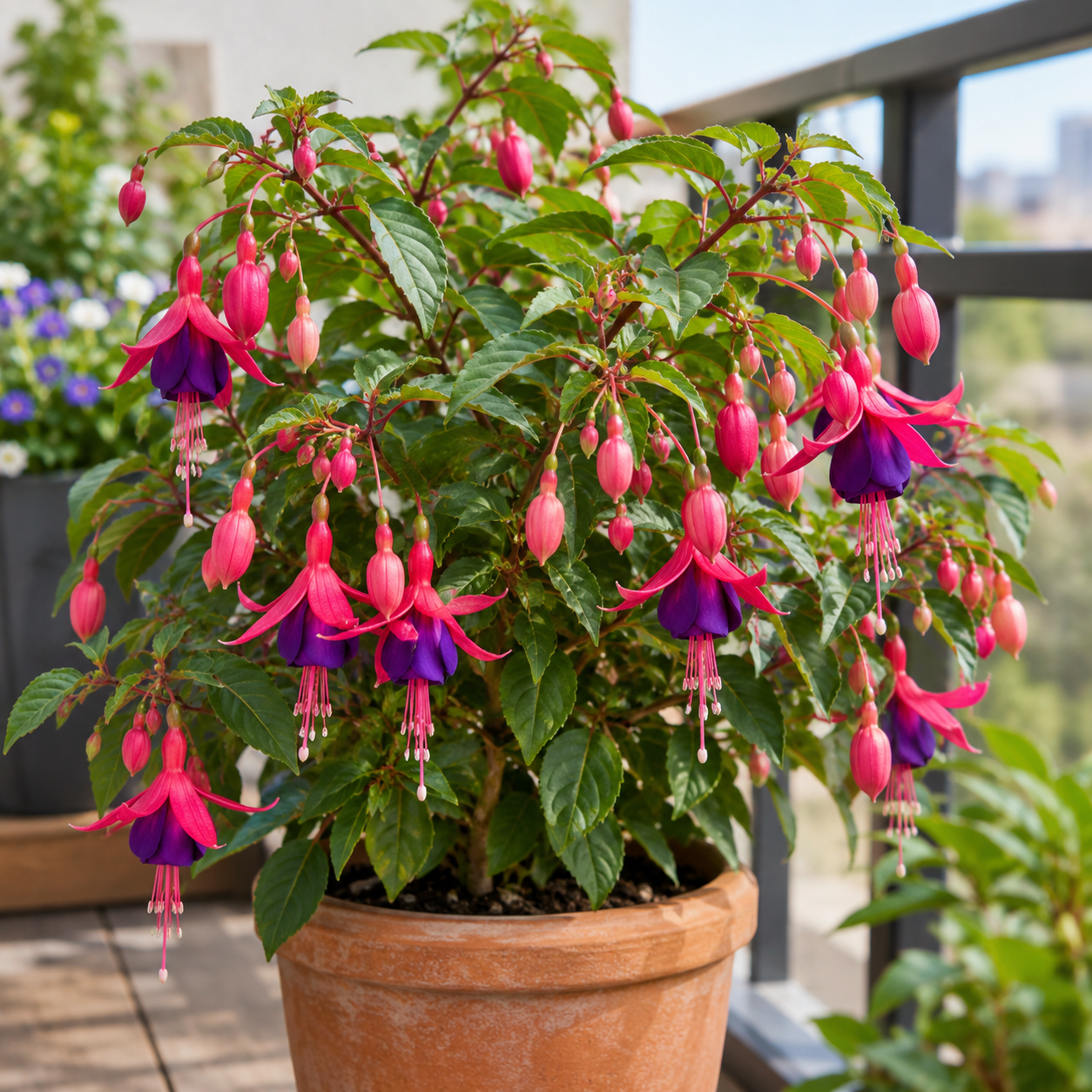
Fuchsias

Why they work: Fuchsias prefer partial shade and produce elegant, dangling flowers from early summer until the first frosts. Care tip: Grow trailing varieties in hanging baskets or railing planters so the flowers can hang freely.
north facing balcony plants

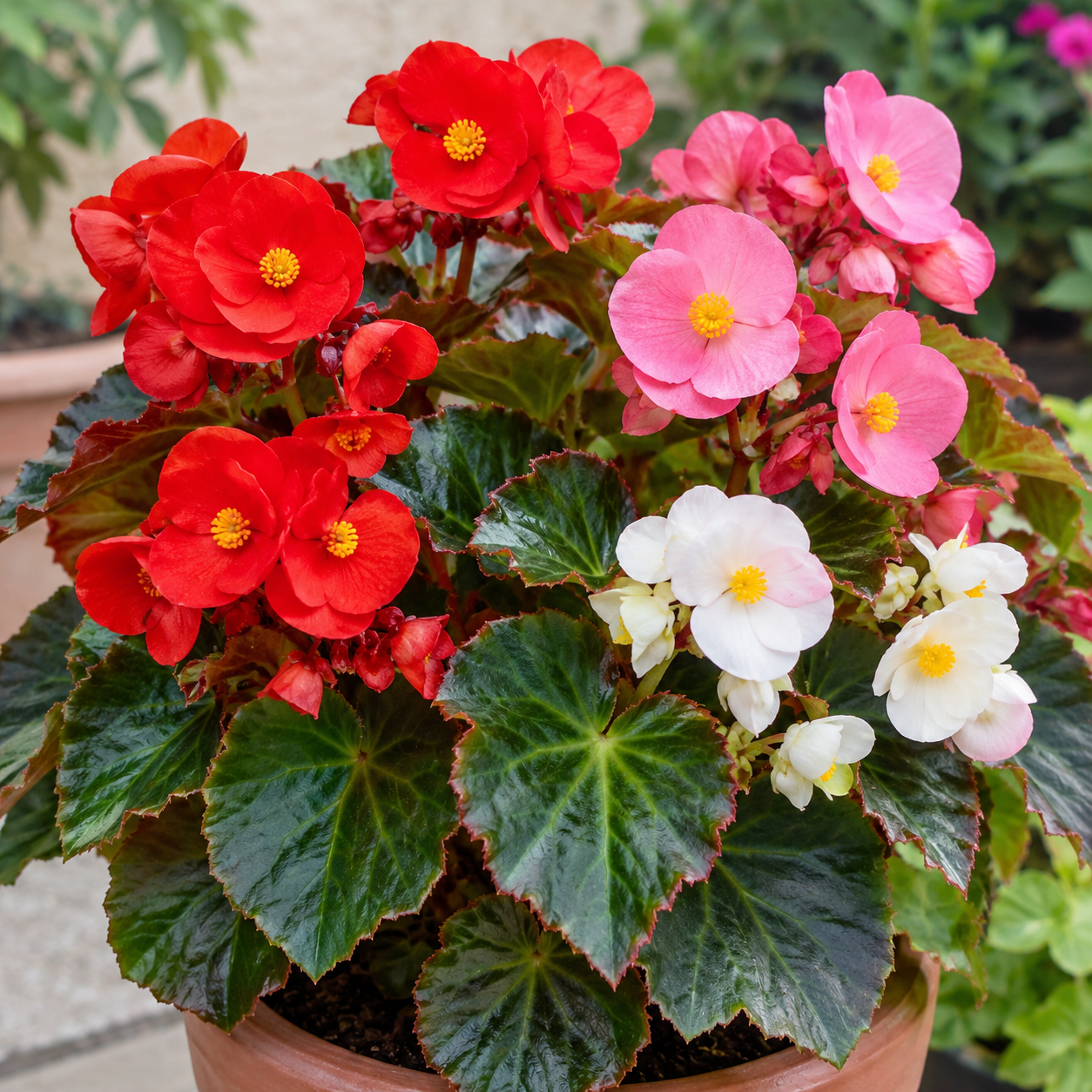
Begonias

Why they work: Begonias are one of the most reliable flowers for shade, offering bright blooms and attractive leaves all summer. Care tip: Water at the base rather than over the leaves, and let the top of the compost dry slightly between waterings.
north facing balcony plants

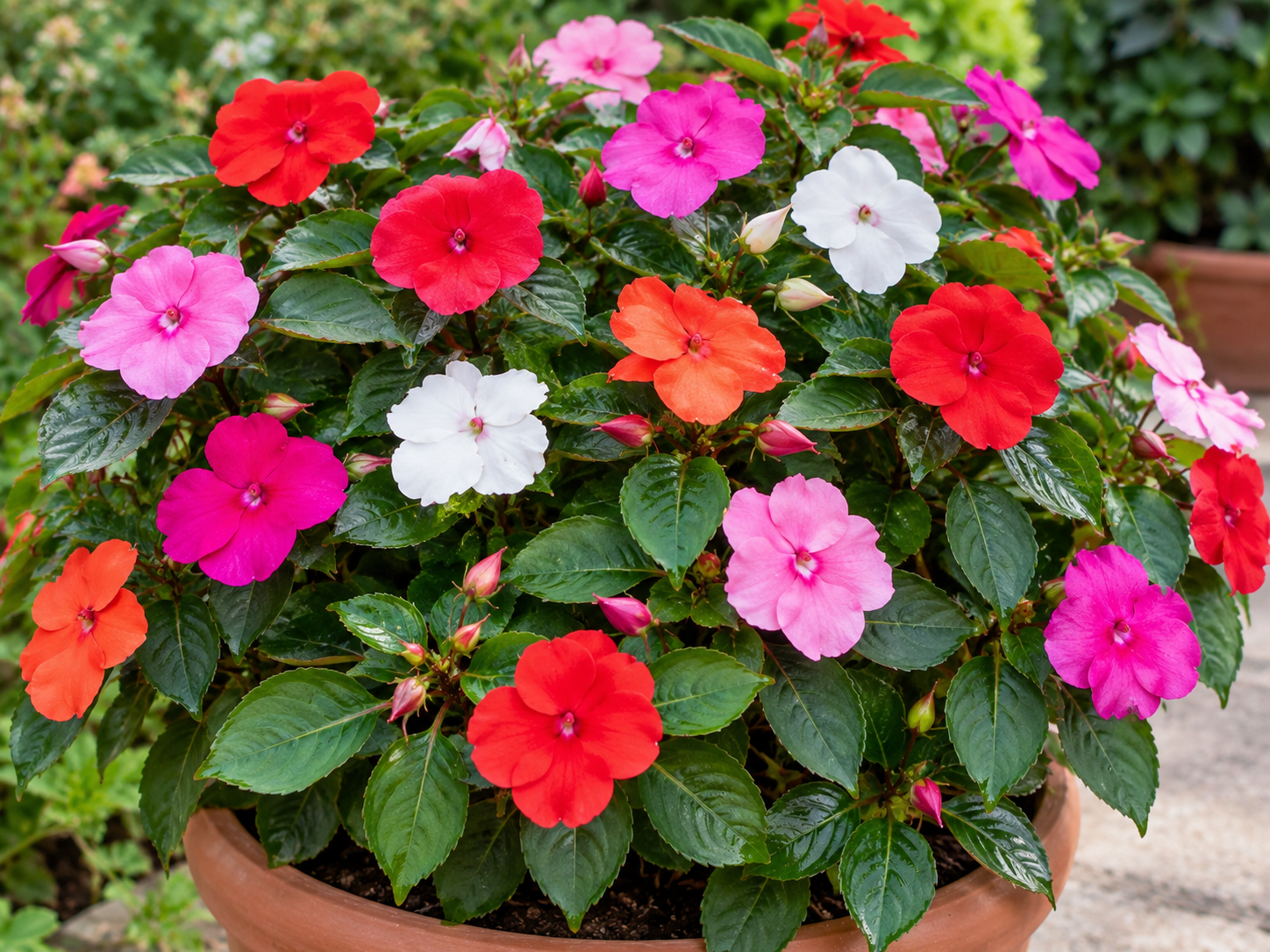
Busy Lizzies (Impatiens)

Why they work: These classic shade plants flower non-stop through summer and come in almost every colour. Care tip: Keep the compost consistently moist, as they wilt quickly when they dry out.
north facing balcony plants

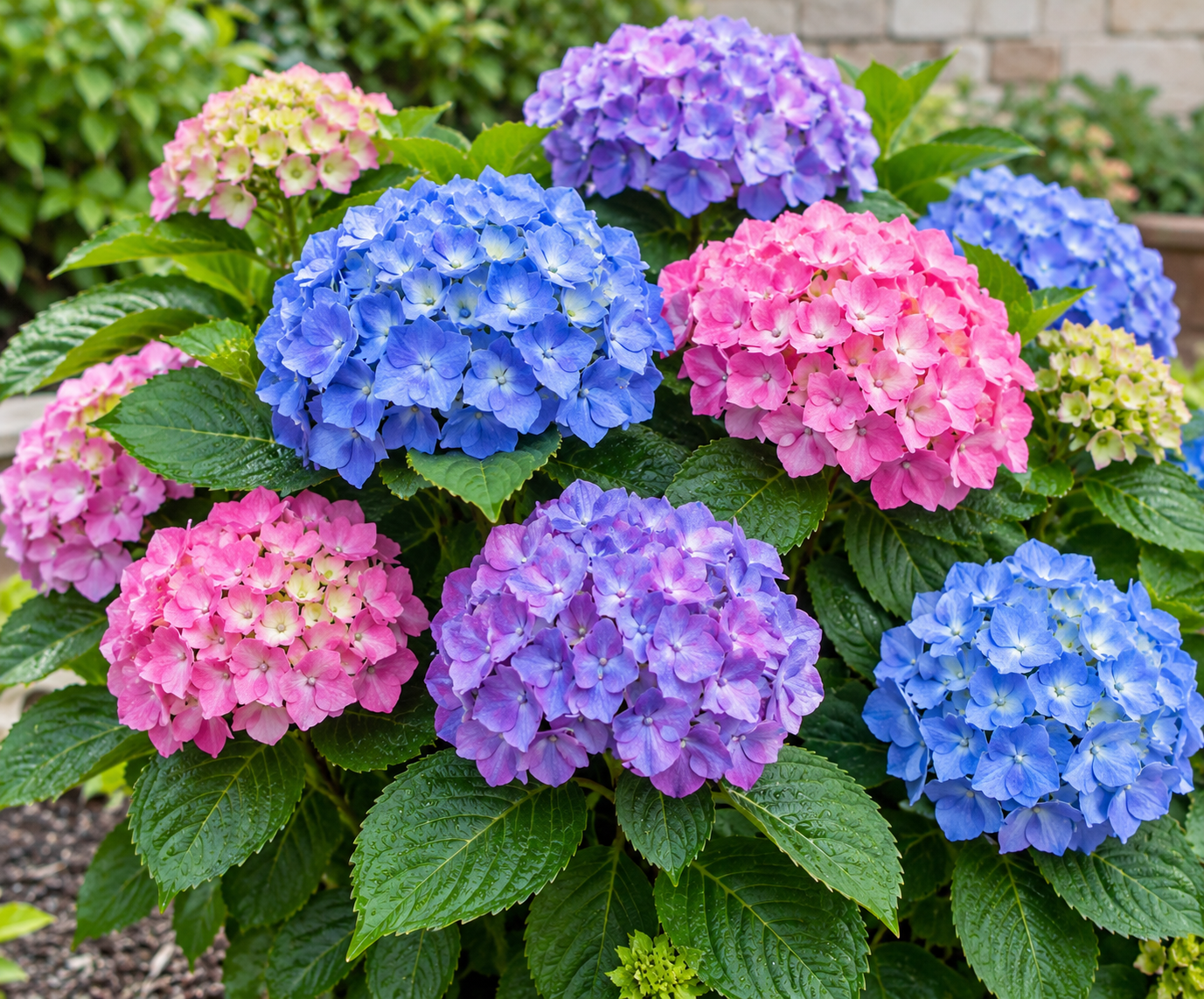
Hydrangeas

Why they work: Hydrangeas are happy in bright shade and produce large, showy flower heads in summer. Care tip: Choose a compact variety and a large container, as hydrangeas need plenty of moisture to stay healthy.
north facing balcony plants

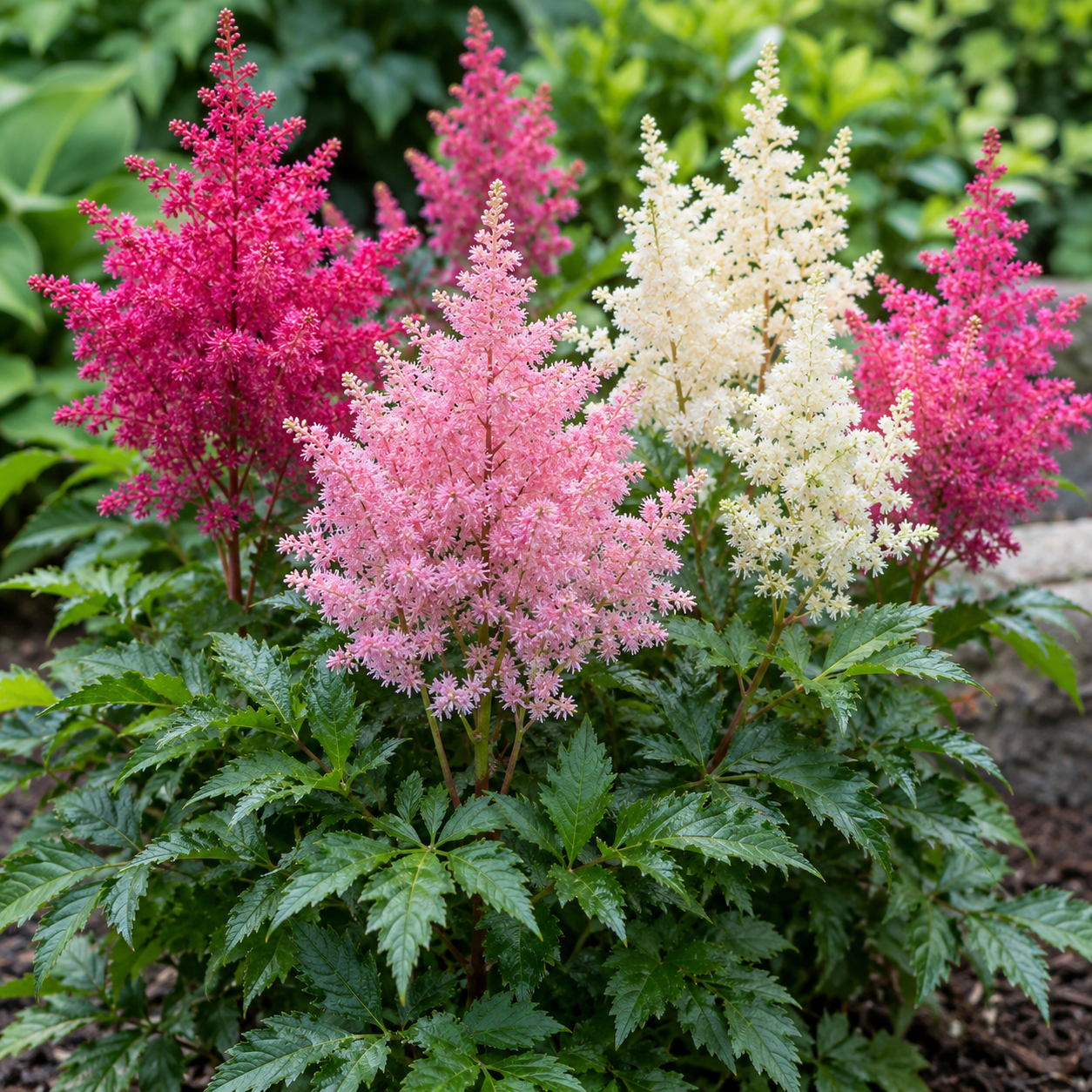
Astilbes

Why they work: Astilbes produce feathery plumes of pink, white or red flowers and naturally grow in damp, shady places. Care tip: Never let the compost dry out completely, as astilbes need steady moisture.
Herbs That Grow in Shade

Many popular herbs come from the Mediterranean and need full sun, but several useful kitchen herbs grow well on a north-facing balcony.

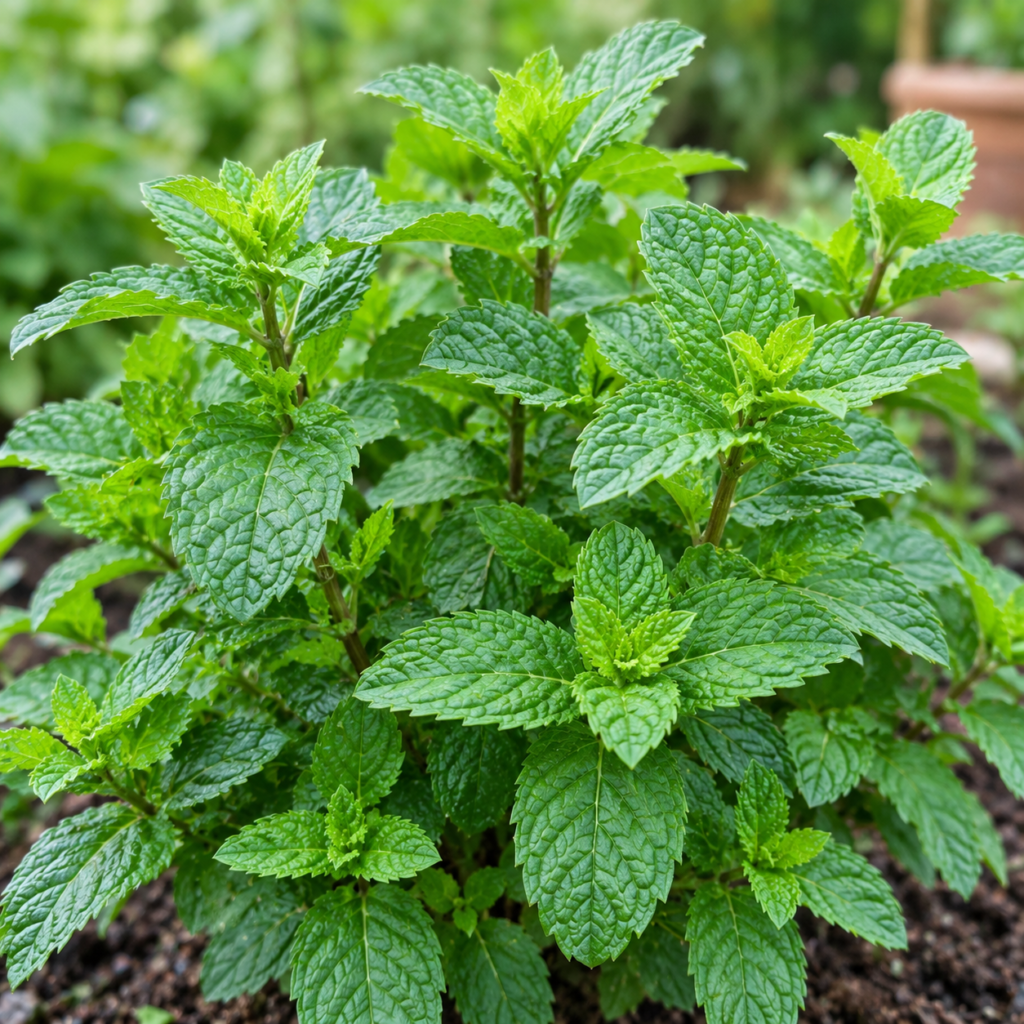
Mint

Why it works: Mint is one of the most shade-tolerant herbs and grows vigorously even with limited light. Care tip: Always grow mint in its own pot, as it spreads quickly and will overwhelm other plants.

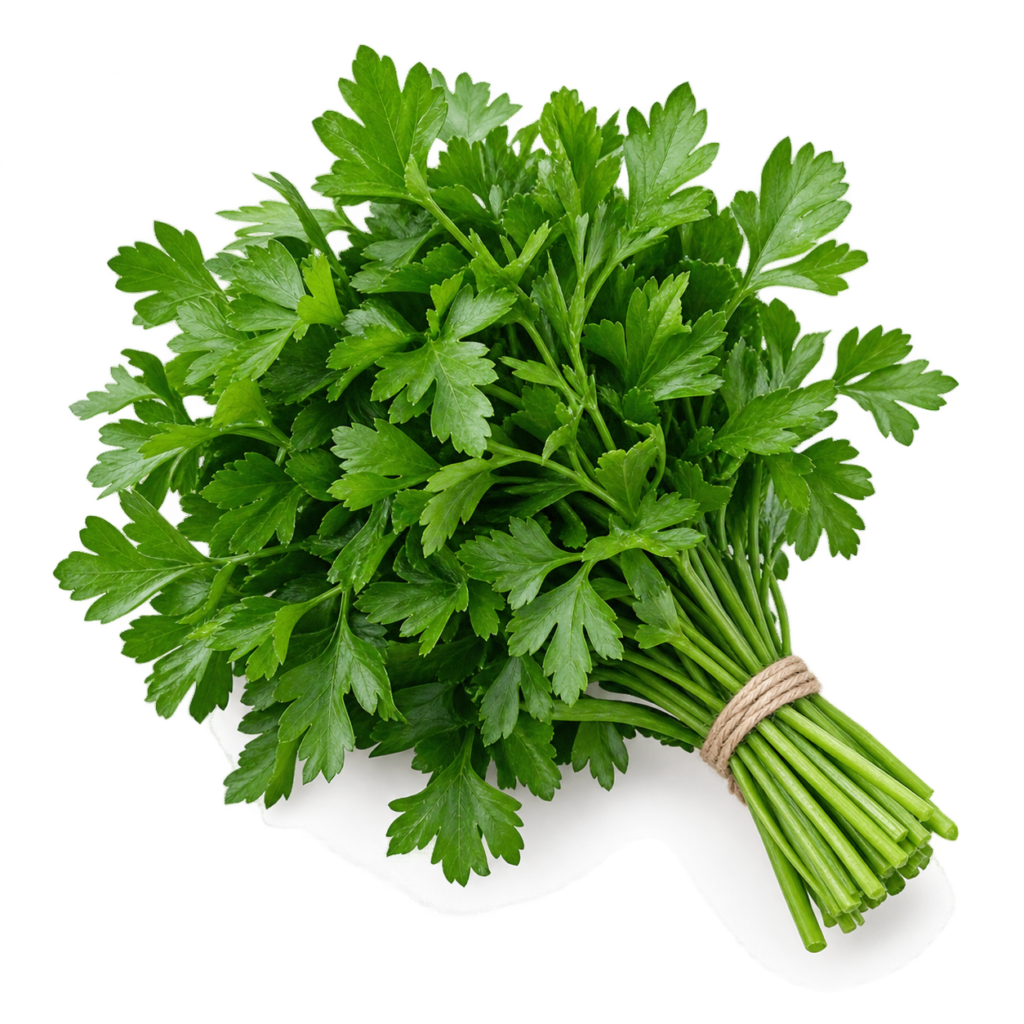
Parsley

Why it works: Parsley grows happily in partial shade and produces leaves over a long season. Care tip: Harvest the outer stems first to encourage fresh growth from the centre.

Chives

Why they work: Chives are hardy, perennial and tolerate shade well, returning year after year. Care tip: Cut them back regularly to keep a supply of tender new leaves.

Lemon Balm

Why it works: Lemon balm is a tough, lemon-scented herb that tolerates partial shade and makes a refreshing tea. Care tip: Like mint, it spreads, so give it a container of its own.

Coriander

Why it works: Coriander quickly runs to seed in hot sun, so the cooler conditions of a north-facing balcony can help it stay leafy for longer. Care tip: Sow small batches every few weeks for a steady supply.

Chives

Why they work: Chives are hardy, perennial and tolerate shade well, returning year after year. Care tip: Cut them back regularly to keep a supply of tender new leaves.

Best Foliage Plants for Shade

Foliage plants are the backbone of a shady balcony. They look good for months, need little attention and add texture and structure to your containers.

Hostas

Why they work: Hostas are famous shade lovers with bold leaves in shades of green, blue, gold and cream. Care tip: Slugs love hostas, but balconies on higher floors usually have far fewer slugs than ground-level gardens.

Hardy Ferns

Why they work: Ferns thrive in cool, shady conditions and bring a soft, woodland feel to a balcony. Care tip: Choose evergreen varieties for year-round greenery, and keep the compost moist.

Heucheras

Why they work: Heucheras offer colourful foliage in shades of purple, lime, amber and silver, which brightens shady corners. Care tip: They are ideal for mixed containers and look good through most of the year.

Japanese Forest Grass

Why they work: This graceful, arching grass grows well in shade, and its golden-leaved forms light up dark spots. Care tip: Grow it in a wide pot where its leaves can cascade over the edge.

Astilbes

Why they work: Ivy tolerates deep shade and is perfect for trailing over railings or softening the edges of containers. Care tip: Keep it trimmed, and check your building's rules before letting it climb walls or facades.

Vegetables for a North-Facing Balcony

Fruiting crops such as tomatoes need full sun, but leafy vegetables can be surprisingly productive in shade.

Lettuce

Why it works: Lettuce prefers cool conditions and is slower to bolt in shade than in full sun. Care tip: Grow cut-and-come-again varieties and pick the outer leaves as you need them.

Rocket

Why it works: Rocket grows fast and keeps its peppery flavour in cooler, shadier spots. Care tip: Sow in spring and again in late summer for two harvests.

Spinach

Why it works: Spinach is a cool-season crop that grows well with limited sun. Care tip: Keep the compost moist to help prevent the plants from running to seed.

Swiss Chard

Why it works: Chard tolerates partial shade, and colourful varieties with red, yellow and pink stems are as ornamental as they are useful. Care tip: Harvest individual leaves from the outside and the plant will keep producing for months.

Kale

Why it works: Kale is hardy, tolerates shade and can be harvested from autumn through winter. Care tip: Grow dwarf or compact varieties that suit containers.

Chives

Why they work: Chives are hardy, perennial and tolerate shade well, returning year after year. Care tip: Cut them back regularly to keep a supply of tender new leaves.

Fruit for a Shady Balcony

Alpine Strawberries

Why they work: Unlike most strawberries, alpine strawberries tolerate partial shade and produce small, intensely flavoured fruits over a long season. Care tip: Grow them in troughs or hanging baskets, where they also make an attractive edging plant.

Climbing Plants for Privacy

Climbers are a great way to create privacy and add greenery without taking up floor space.

Climbing Hydrangea

Why it works: The climbing hydrangea is one of the best-known plants for north-facing walls, with lacy white flowers in early summer. Care tip: It grows slowly at first, so give it a large container and a sturdy trellis, and check your building’s rules on facade climbers.

Clematis

Why it works: Several clematis varieties, such as Clematis alpina and the striped ‘Nelly Moser’, do well in shade. Some pale-flowered varieties even keep their colour better out of strong sun. Care tip: Clematis like their roots cool and their stems climbing towards the light, which suits a north-facing balcony well.

Winter Interest Plants

A north-facing balcony does not have to look bare in winter. These plants bring colour and life during the colder months.

Hellebores

Why they work: Hellebores flower in late winter and early spring, when very little else is in bloom, and they love shade. Care tip: Remove old, tatty leaves in late winter so the flowers can be seen clearly.

Skimmia

Why it works: Skimmia is a compact evergreen shrub with red flower buds or berries that last through winter. Care tip: Grow it in ericaceous compost in a container, as it prefers slightly acidic conditions.

Hardy Cyclamen

Why it works: Hardy cyclamen produce delicate pink or white flowers and marbled leaves in autumn or winter, depending on the variety. Care tip: Plant them in containers with good drainage, as they dislike sitting in wet compost.

Plants to Avoid on a North-Facing Balcony

Some plants simply need more sun than a north-facing balcony can provide. Without enough light, they grow weak and leggy, and flower or fruit poorly. It is usually best to avoid:

Tips for Growing Plants on a North-Facing Balcony

Brighten the Space

Light-coloured walls, floors and containers reflect more light onto your plants. If you can, choose pale pots and light-coloured decking or tiles. Plants with golden, silver or variegated leaves also make a shady balcony feel brighter.

Use Height to Reach the Light

Plant stands, shelves and railing planters lift plants towards the brightest part of the balcony. Keep the plants that need the most light near the railing, and place the most shade-tolerant plants against the wall.

Water Less Often

Compost dries much more slowly in shade, so overwatering is the most common mistake on north-facing balconies. Always check the compost with your finger before watering, and make sure every pot has drainage holes.

Feed Lightly

Plants in shade grow more slowly and need less fertiliser than plants in full sun. A light liquid feed every two to four weeks during the growing season is usually enough for flowering plants and leafy crops.

Rotate Your Pots

Plants in shade tend to lean towards the light. Turning your pots a quarter turn every week or two keeps growth even and balanced.

Watch for Slugs and Snails

Damp, shady conditions can attract slugs and snails, especially on lower floors. Check the undersides of pots and leaves regularly and remove any you find by hand.

Three Easy Planting Ideas for a North-Facing Balcony Plants

If you are not sure where to start, try one of these simple combinations:

  1. The woodland corner. A large container of hardy ferns, heucheras and Japanese forest grass, with ivy trailing over the edge.
  2. The shady salad trough. A long trough of lettuce, rocket and spinach, with a separate pot of parsley and chives alongside.
  3. The colourful railing. Railing planters filled with begonias, busy lizzies and trailing fuchsias for summer-long flowers.

Frequently Asked Questions

What grows best on a north-facing balcony?

Shade-tolerant plants such as ferns, hostas, heucheras, fuchsias, begonias and busy lizzies grow best on a north-facing balcony. For edible crops, lettuce, rocket, spinach, chard, mint, parsley and chives all cope well with limited sunlight.

Can you grow vegetables on a north-facing balcony?

Yes. Leafy vegetables such as lettuce, rocket, spinach, Swiss chard and kale grow well in shade. Fruiting crops such as tomatoes, chillies and peppers need much more direct sun and usually perform poorly on a north-facing balcony.

Do north-facing balconies get any sun?

Most north-facing balconies receive little or no direct sun for much of the year, but they still get bright, indirect light from the sky. In midsummer, some may catch a little direct sun early in the morning or late in the evening.

What flowers bloom in full shade on a balcony?

Begonias, busy lizzies and fuchsias are among the most reliable flowers for shady balconies. For winter and early spring, hellebores and hardy cyclamen add colour when little else is in bloom.

How often should I water plants on a north-facing balcony?

Less often than on a sunny balcony. Compost stays moist for longer in shade, so check it with your finger and water only when the top few centimetres feel dry. In cool weather, this may be only once a week or less.

Can herbs grow on a north-facing balcony?

Some herbs grow well in shade, including mint, parsley, chives, lemon balm and coriander. Sun-loving Mediterranean herbs such as rosemary, thyme, sage and basil are best avoided.

Leave a Reply

Your email address will not be published. Required fields are marked *